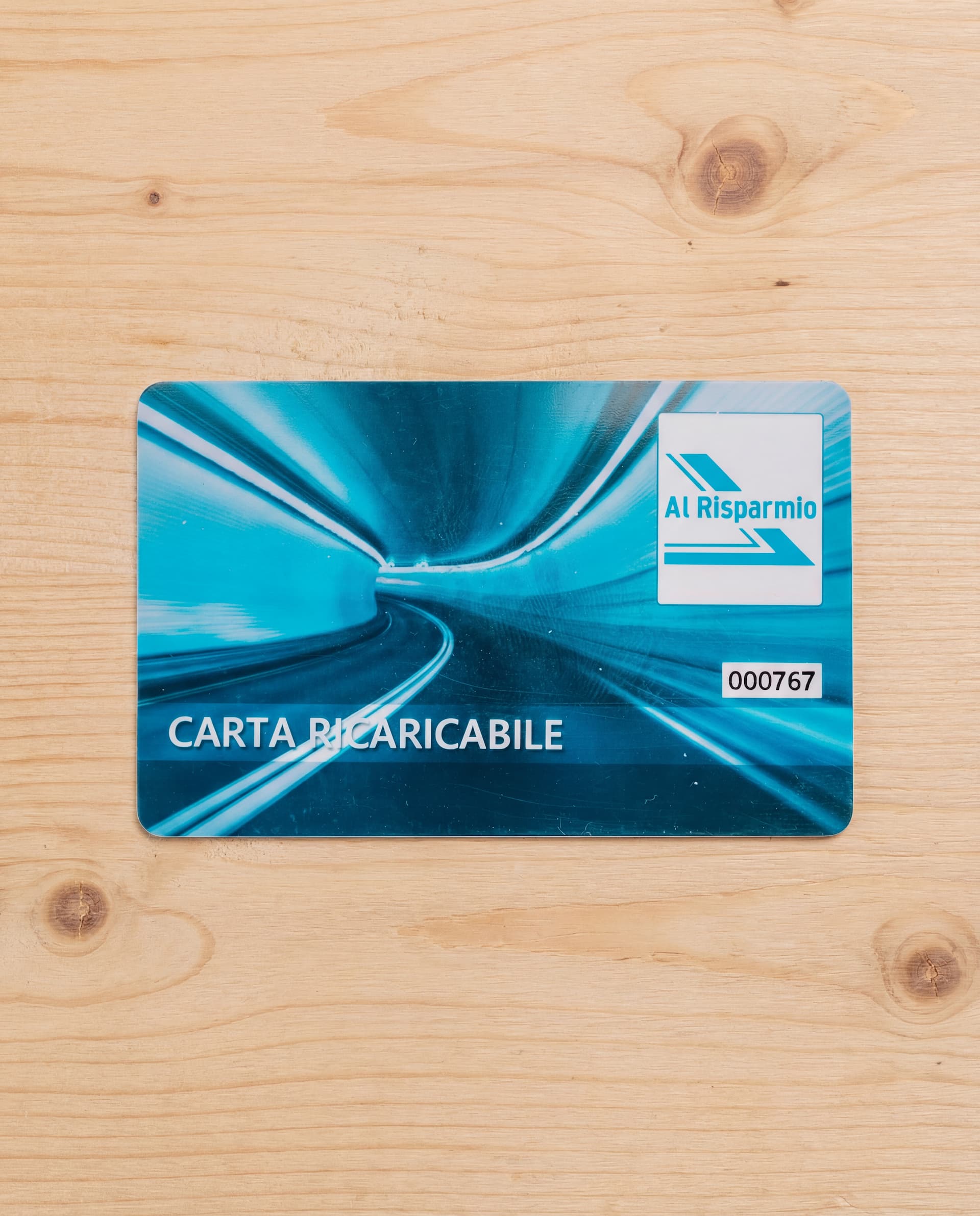
With Reply No. 235/2025, the Italian Revenue Agency clarified how VAT works for prepaid fuel cards, a tool increasingly used by private individuals and companies to refuel in a simple and controlled way.
The clarification is important because it avoids double VAT charges and makes the use of prepaid fuel cards more transparent.
Prepaid Fuel Cards: How They Work
Prepaid fuel cards can be:
- registered,
- rechargeable,
- used to carry out subsequent refuelling at the service station.
The customer loads an amount onto the card and uses it when purchasing petrol or diesel, based on the fuel price at the time.
The VAT Doubt
Until now, in some cases:
- at the time the card was recharged, an invoice with VAT was issued;
- at the time of refuelling, doubts could arise about a new application of the tax.
This mechanism risked generating confusion and incorrect costs for the customer.
The Clarification from the Italian Revenue Agency
According to the Italian Revenue Agency, prepaid fuel cards are to be considered “multi-purpose vouchers”.
In simple terms, this means that:
- at the time of the recharge, it is not yet known how much fuel will be purchased;
- the quantity depends on the fuel price at the time of refuelling.
For this reason:
- VAT is applied only when the actual refuelling takes place,
- not when the card is recharged.
What Changes for the Final Customer
For those who use prepaid fuel cards, the benefit is concrete:
- greater tax transparency;
- no risk of paying VAT twice;
- VAT correctly applied only to the fuel actually purchased.
If in the past invoices with VAT were issued at the time of recharge, operators can regularise the situation and recover the excess tax paid.
More Clarity and Protection for Those Who Refuel
The clarification from the Italian Revenue Agency sets a clear point:
prepaid fuel cards are a safe, simple and fiscally correct tool for the final customer.
VAT is paid only when fuel is purchased, based on the actual fuel price, ensuring correctness and transparency.